Understanding the Demands of Specialization
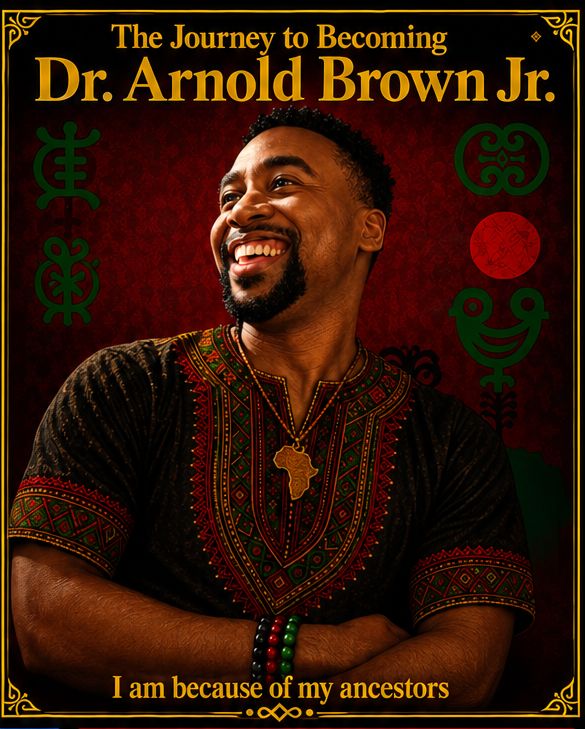
As I continue progressing through my doctoral journey, I am beginning to understand that success at this level requires more than motivation. It requires prioritization, systemization, and intentional discipline. The specialization phase of the program is already showing me that the work will require considerable time, thought, and energy. The assignments are more theoretical, detailed, and research-centered, which means I cannot approach them casually or without a clear process.
To complete this phase successfully, I will need more than practical application and academic research. I will need a systematic workflow that helps me manage my responsibilities while still producing quality work. This realization becomes even more important as I think about entering another school year while continuing to pursue the Ed.D.
As you read this blog, I invite you to think about your own life. What phase are you in right now? What responsibilities are requiring more of your time, thought, and energy? What areas of your life need more structure, discipline, or intentional planning?
Balancing Teaching and Doctoral Work
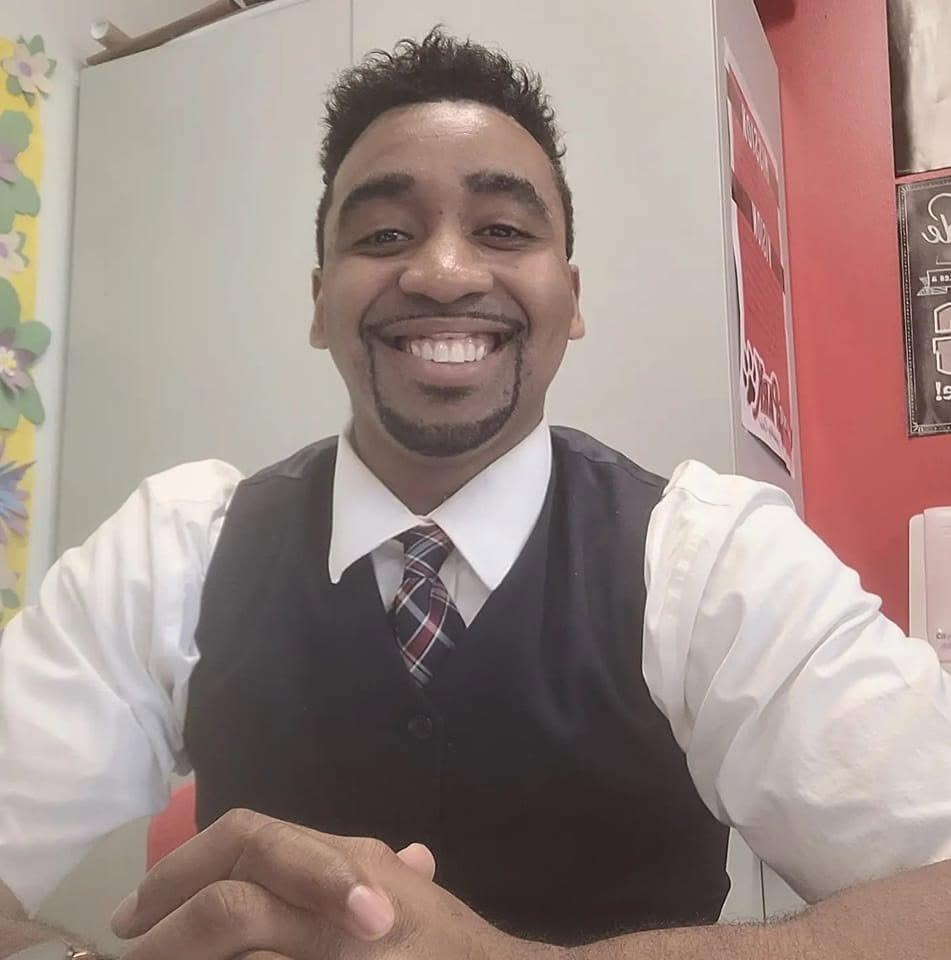
Another school year brings new professional responsibilities, student needs, instructional demands, and leadership expectations. At the same time, doctoral work requires deep reading, careful writing, and consistent reflection. Balancing both requires me to be honest about my time, energy, and priorities. I cannot afford to simply react to responsibilities as they come. I have to plan, prepare, and move with intention.
As you think about your own responsibilities, consider what is demanding your attention in this season. What needs your focus? What needs better boundaries? What needs to be prioritized so you can move forward with clarity?
Prioritizing Health Along the Way

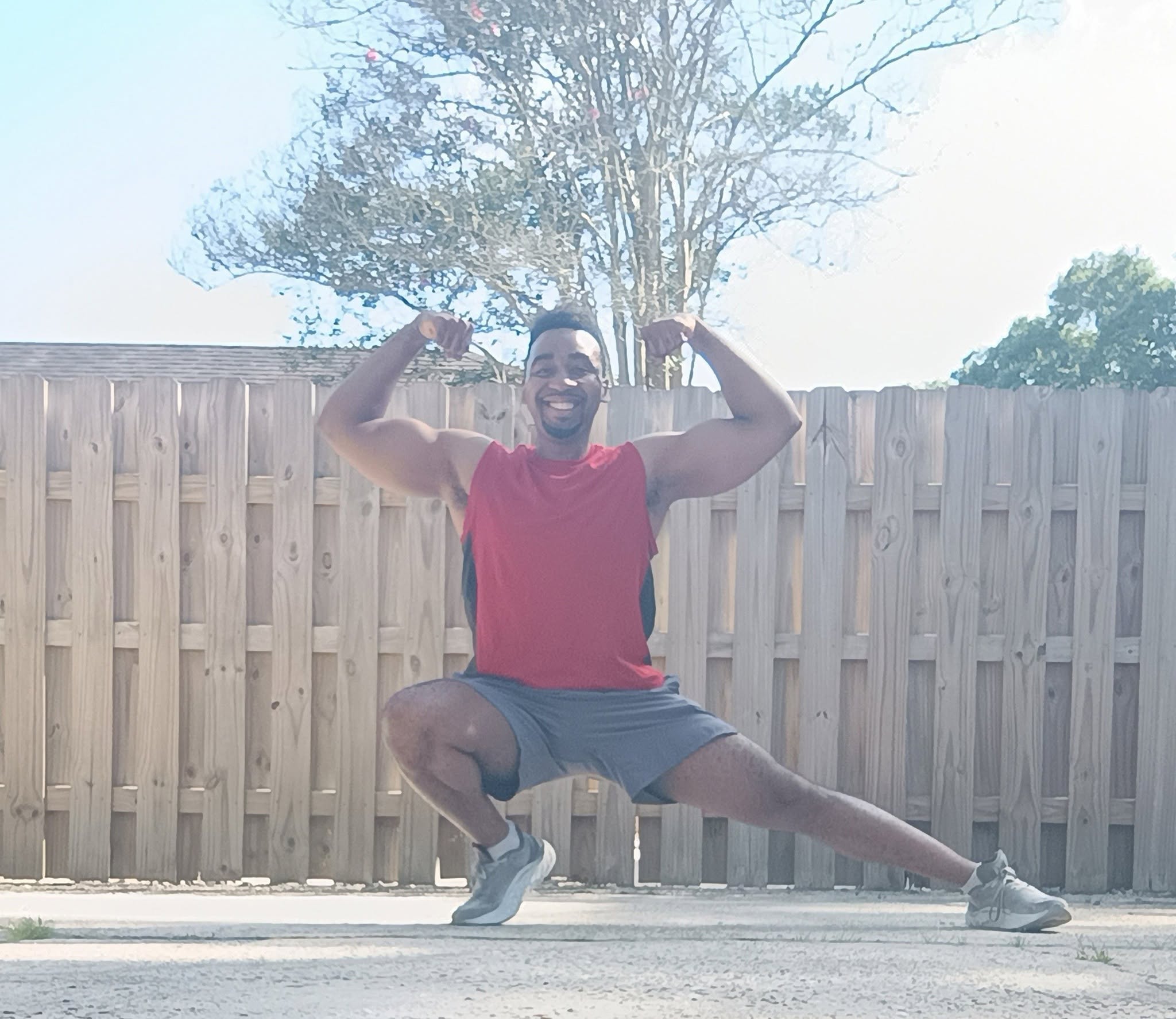
Maintaining my health is also a major part of this process. Like many doctoral students, I have faced some health challenges along the way. However, I am grateful that I have developed strong health habits that help me stay aware and proactive. I monitor my blood work regularly, communicate with my doctors, maintain important documents, and continue building routines that support my overall well-being. Here is a video showing what I like to do to say healthy:
This journey has reminded me that academic success cannot come at the expense of health. In order to finish strong, I have to take care of myself while completing the work. The same principle may apply to you. Whatever goal you are pursuing, your health has to remain part of the system that helps you sustain it. Progress is important, but you also need well-being to continue the journey.
Building a System That Supports the Goal
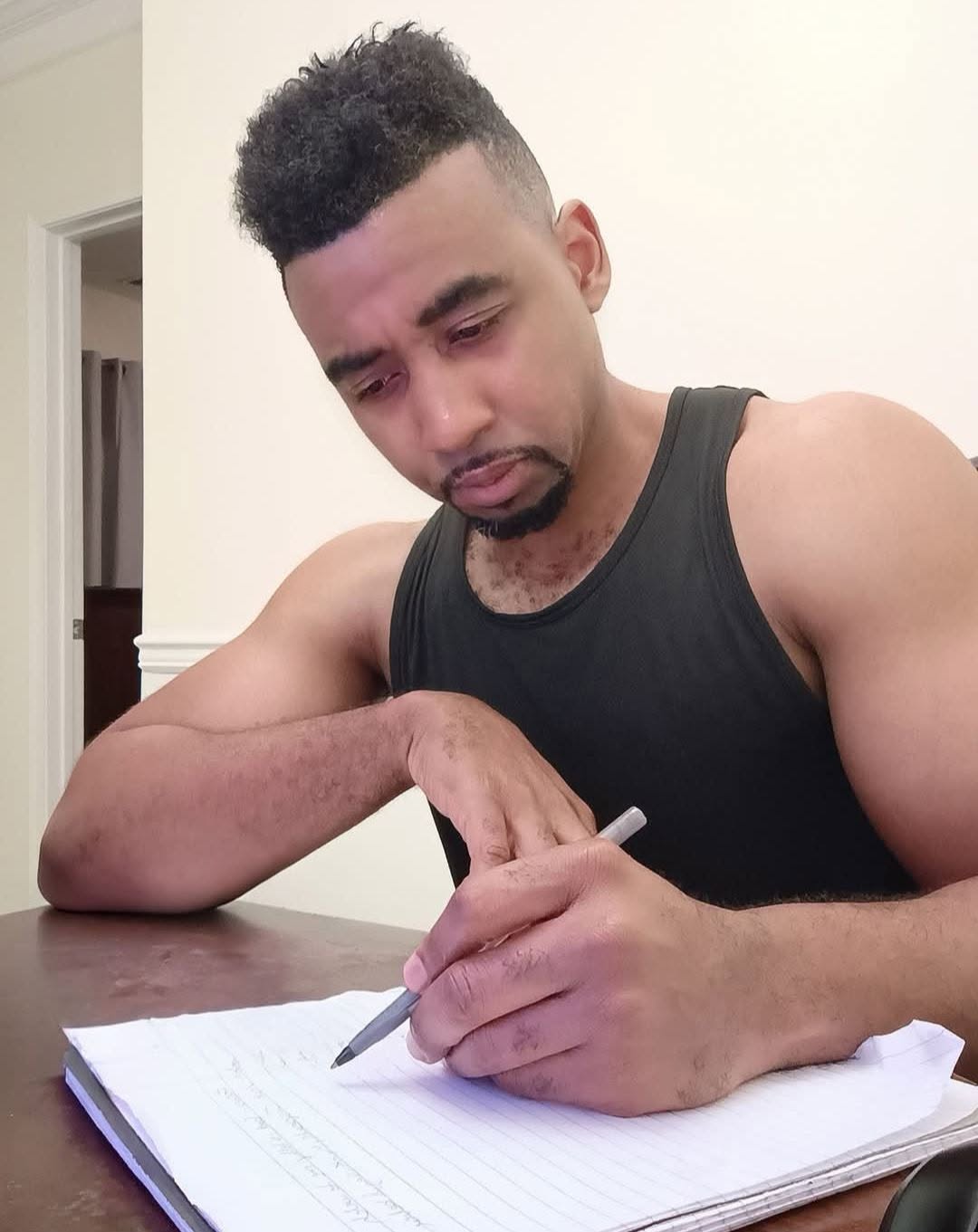
Because of these responsibilities, I am continuing to build a system that supports my goals. One part of this system is my daily to-do list, which helps me identify the most important tasks for each day. Instead of trying to hold everything in my mind, I write things down so I can see what needs to be completed and make better decisions about my time.
I also use my daily planner, specifically the Passion Planner, to organize my calendar and monitor my progress. This gives me a larger view of my responsibilities and helps me connect daily actions to long-term goals. When I can see the bigger picture, I am better able to prioritize what matters most.
If you are working toward a meaningful goal, the question becomes simple: What system are you using to support the future you say you want? A goal without a system can easily become a wish, but a goal with a system gives you a structure for action.
Tracking Time and Measuring Progress

Another important part of my system is my time tracker. This tool helps me monitor how I use my time across different categories, such as sleeping, eating, working out, working, and completing schoolwork. Tracking my time allows me to measure my habits instead of guessing about them. It helps me see where my time is going and whether my daily actions align with my doctoral goals.
In the same way, tracking your time can help you see whether your daily habits are supporting your priorities or pulling you away from them. Sometimes, the issue is not that you do not have enough time. The issue may be that your time needs to be measured, protected, or redirected toward what matters most.
Developing a Smarter Writing Process

Finally, Im developing my own writing approach to make the writing process more efficient. Instead of reinventing the wheel with every assignment, I am learning to work smarter. This means looking closely at how assignments align with one another, identifying patterns in expectations, and crafting my writing in a way that allows professors to read my work with clarity and ease.
Writing at the doctoral level is not only about having ideas. It is also about organizing those ideas in a way that communicates purpose, connection, and scholarly thought.
This can apply to your own life as well. Sometimes progress does not require you to do more. Sometimes it requires you to approach the work with greater strategy and organization.
Moving with Intention
Overall, this process is helping me manage multiple responsibilities while also monitoring and measuring my progress toward the Ed.D. I am learning that goals do not happen by accident. They are not happenstance. Goals require intention, structure, and consistent action.
This doctoral journey is teaching me that prioritization and systemization are not just academic strategies. They are survival strategies, leadership strategies, and success strategies. If I want to finish this program strong, I have to continue building systems that protect my time, support my health, strengthen my writing, and keep me focused on the goal.
At the same time, this lesson extends beyond my doctoral journey. Each of us has goals, responsibilities, and areas of life that require intentional action. Whether the goal is academic, professional, personal, spiritual, or health-related, progress requires more than desire. It requires a system that supports the direction we say we want to go.
As I continue moving through this next phase, I invite you to consider your own life. What goal are you working toward? Consider how strategies such as prioritizing your responsibilities, protecting your health, tracking your time, and building supportive systems can become part of your own plan for reaching that goal.

Remember, goals do not become reality by accident. They become reality when we move with intention.
And this is my goal all the way through.
Support My Ed.D. Journey

Graduate education is a meaningful but significant financial investment, and I am currently covering the cost of my doctoral program independently. The total cost to complete the program is $21,500. If you would like to support my Ed.D. journey, I invite you to consider donating to my GoFundMe account.
Your support helps me continue moving forward as I work toward becoming Dr. Arnold Brown, Jr. and leaving a legacy through education.
My GoFundMe is: www.gofundme.com/f/help-me-leave-a-legacy-through-education
Thank you again for your continual support and prayers. And as always, let’s change the world. Together!

Helping Youth Thrive
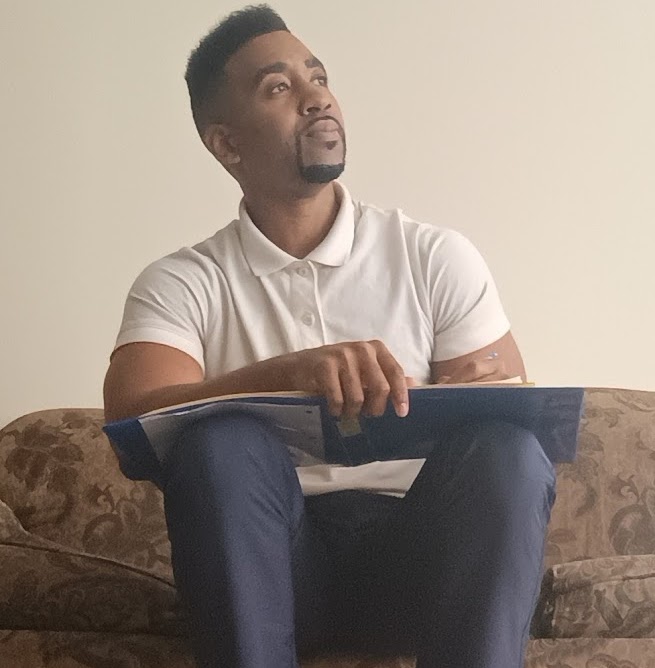
As a certified Spanish teacher, fluent speaker of four languages, and life coach, Arnold is committed to helping young people thrive, not just survive.
To learn more about the books Arnold writes to empower youth, visit his bookstore here.